Follow the water
Read drainage lines after rain, identify soft ground and keep critical walking routes out of predictable pooling areas.
Read the terrain notes →Good design begins before a tee is staked. It begins with water, slope, trees, access and the people who will share the ground. These notes follow a site walk from first observation to a course that works on ordinary days and under event pressure.
Explore the Ground

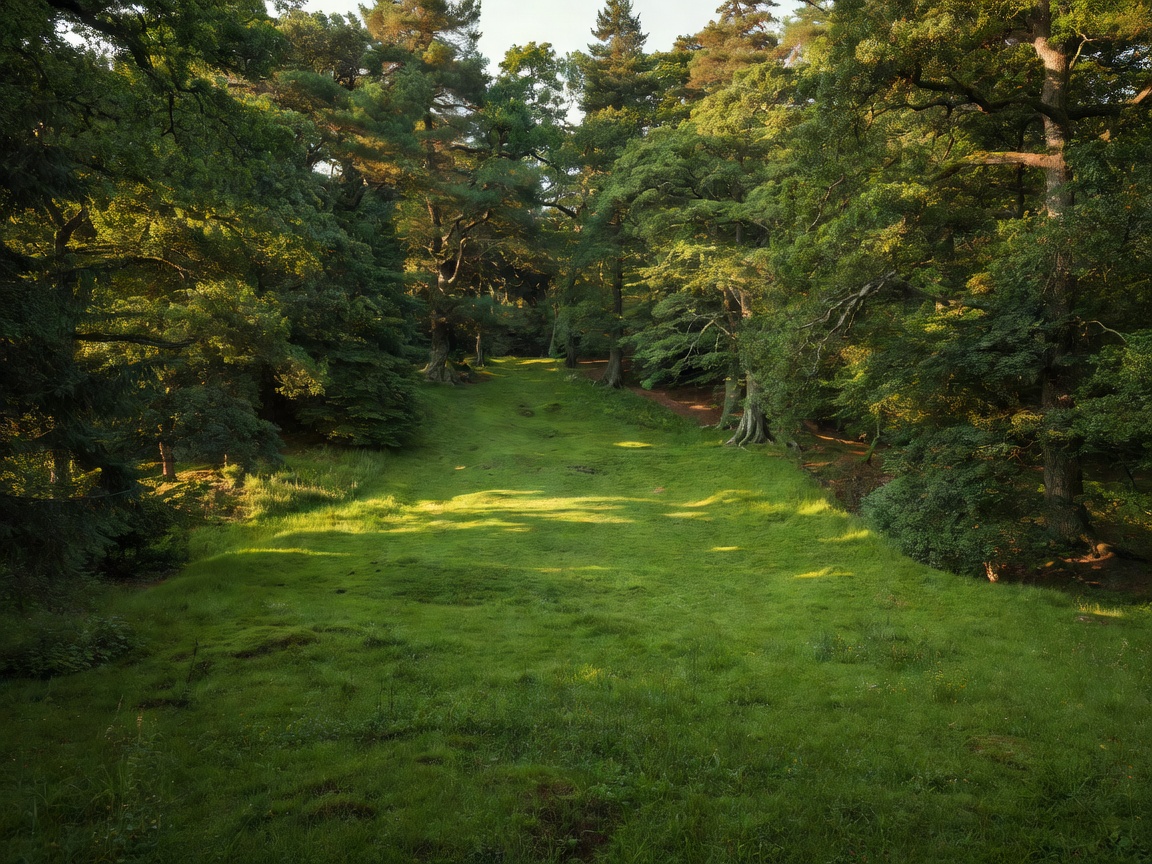
Before choosing a landing zone, notice where water settles, where a slope changes pace and which surfaces can withstand repeated foot traffic. Terrain is not scenery around a hole; it is a design partner with consequences.
Read drainage lines after rain, identify soft ground and keep critical walking routes out of predictable pooling areas.
Read the terrain notes →A modest slope can change footing, rollaway risk, maintenance demand and how safely a group moves between shots.
Study slopes →A throwing corridor should ask a clear question. Its width, shape, landing space and recovery options should reward decisions rather than rely on a hidden obstacle or an arbitrary pinch point.

A useful line has room for a deliberate choice: shape, speed, placement or risk. Build the corridor around intended flight and the consequences of missing, then test it from realistic release points.
Explore flight lines →Routing is the course’s quiet infrastructure. A layout can offer thoughtful shots and still fail if the next tee is hard to find, the walk crosses a landing zone or players repeatedly double back.

Walk the sequence as a first-time visitor, noting visibility, crossings, travel distance and places where a group naturally pauses.
See annotated routes →Orientation is part of play. Signs, sightlines and a readable next tee reduce uncertainty without cluttering the landscape.
View routing plates →Event planning begins with the site’s capacity: people, vehicles, supplies, queues and emergency access. A tournament version should clarify operational trade-offs, not pretend that a layout alone guarantees compliance.
Read the event run sheetShort answers to the practical questions that arrive before the first flag or tee sign goes in.
Where water moves, how people enter, which areas are sensitive and what the land can support.
Browse all questions →Early enough to test access, staging and circulation while the routing is still flexible.
Read the answer →A useful first note can be simple: location, site size, known constraints, current access and the questions you cannot yet answer.
Describe Your GroundCookies on this site Essential cookies keep this site working. Optional ones help us see what is useful. You can change your choice at any time. More about cookies